What the Founding Fathers Understood About Money
July 4, 2019
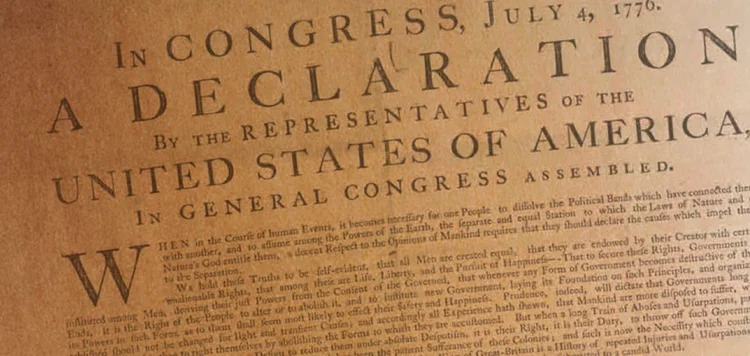
The founders of the United States had strong opinions about money and currency. Their experiences with paper money during the Revolutionary War shaped the monetary provisions of the Constitution.
The Continental Currency Disaster
During the Revolutionary War, the Continental Congress printed paper money called "Continentals" to fund the war effort. The result was predictable: massive inflation that destroyed the currency's value. The phrase "not worth a Continental" entered the American lexicon.
Constitutional Provisions
Learning from this experience, the founders included specific monetary provisions in the Constitution:
- Article I, Section 8: Congress has the power "To coin Money, regulate the Value thereof"
- Article I, Section 10: "No State shall... make any Thing but gold and silver Coin a Tender in Payment of Debts"
Wisdom for Today
The founders understood that sound money is essential for:
- Property rights: Inflation is a hidden tax that erodes the value of savings
- Economic stability: Paper money tends to create boom-and-bust cycles
- Limited government: The ability to print money gives government nearly unlimited spending power
Returning to Sound Principles
TxGold embodies these founding principles by offering a currency backed 100% by gold. While we cannot change federal monetary policy, we can offer individuals a way to hold and transact in sound money.
As Thomas Jefferson wrote: "Paper is poverty... it is only the ghost of money, and not money itself."